
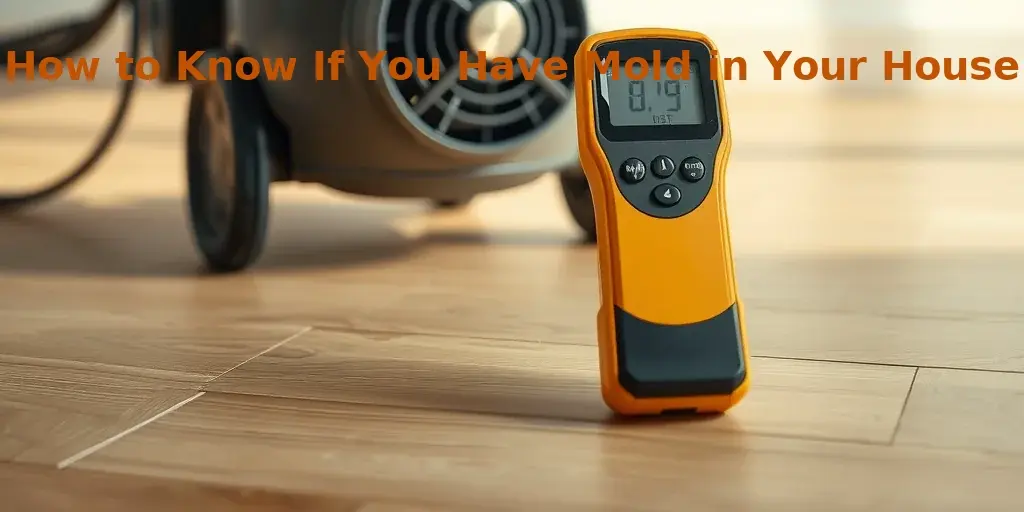
Living in the Hudson Valley means dealing with distinct seasonal humidity changes that can impact your home’s structural integrity. As residents of Alplaus, you likely notice how the air feels different during the humid summers compared to the dry winters. Recognizing the early indicators of biological growth is crucial for maintaining a healthy indoor environment. This guide from the Alplaus Mold Removal team explains how to identify visible and hidden mold, helping you protect your property and your family’s well-being before minor issues become major repairs.
The Most Common Signs of Mold in a Home
Visible mold often appears as black, green, or white spots on walls, ceilings, or around windows. These discolorations usually indicate that spores are already active and reproducing within the porous materials of your home. Beyond the visual cues, many homeowners in Alplaus notice a persistent musty or earthy odor that lingers even after airing out the rooms. This smell is a reliable indicator of microbial activity, often stronger in basements, bathrooms, or crawl spaces where moisture tends to accumulate. If you detect these signs after a plumbing leak or during a particularly damp summer month, it is important to act quickly to prevent further spread into the HVAC system.
Hidden Mold, Where It Likes to Hide
Not all mold is immediately visible to the naked eye, as it frequently grows behind drywall, under flooring, or inside wall cavities where you cannot see it. In homes throughout Alplaus, hidden mold often thrives in areas with previous water damage that dried too slowly or where ventilation is poor. You might experience unexplained health symptoms like headaches, coughing, or allergy flares without seeing any obvious black spots. These biological responses can be the only warning that microbial growth is occurring behind the drywall or under your carpet. Ignoring these hidden sources can lead to widespread contamination, making eventual remediation significantly more complex and costly than addressing the problem early.
How to Do a Basic Visual Inspection
Conducting a thorough inspection requires checking high-risk areas where moisture is most likely to settle, such as beneath sinks, around shower caulk, and in the attic. Use a flashlight to look for water stains, bubbling paint, or warped wood, which are primary indicators of underlying moisture issues. Pay close attention to the condition of your HVAC filters, as they can trap spores and show visible growth if the system is damp. While a general inspection can reveal obvious problems, detecting spores at low concentrations requires specialized equipment. For accurate assessment, we recommend relying on professional mold testing services that use air sampling and surface swabs to identify the specific type of mold present in your Alplaus home.
Checking Behind Appliances
Move your refrigerator, washer, and dryer away from the wall to inspect the panels and flooring directly behind them. These areas often trap humidity and provide an ideal environment for spores to colonize without immediate visibility.
Inspecting Bathroom Grout
Carefully examine the grout lines in your shower and tub for blackening or softening, which indicates water retention and potential microbial growth in the porous material.
When to Call a Certified Mold Inspector
You should consider hiring a certified professional if your home has experienced significant water intrusion, such as a burst pipe or flooding, within the past twenty-four to forty-eight hours. In these scenarios, the timeline for remediation is critical to prevent long-term structural damage and health hazards. Additionally, if you suspect hidden growth but cannot locate the source, or if a family member has pre-existing respiratory conditions, expert intervention is the safest course of action. Our team provides comprehensive assessments that go beyond simple visual checks, ensuring that every hidden pocket of mold is identified and safely removed. Trusting a local expert ensures that the remediation process follows strict industry standards and environmental health protocols.